Downtown Fort Worth is having a resurgence. If you are considering making Panther City your new home, the timing could not be better. The city’s population is booming, new restaurants keep opening, and the skyline keeps rising. Whether you're relocating for work, or just craving a more connected way of life, this Texas metro area has everything you need and more. Life at Deco 969 puts residents in the middle of that energy. Here's a guide that breaks down what it costs to live in Fort Worth, how it moves, and how to find the right neighborhood that fits your style.
A City Growing Faster Than Most
Fort Worth’s population reached 1 million residents in 2025, making it the 10th-largest city in the country, a milestone driven by one of the biggest single-year population gains of any American municipality. According to the US Census Bureau, the city added nearly 20,000 residents between 2024 and 2025. This is part of a broader trend across the Dallas-Fort Worth metroplex, home to several of the country's fastest-growing cities. The growth is evident in new businesses and restaurants opening across downtown Fort Worth, along with the first residential high-rise to add to the city’s skyline in more than 30 years.
How Walkable Is Downtown Fort Worth, Really?
Overall, Fort Worth wasn’t designed for pedestrians, but its downtown core is the exception. Apartment List's walkability breakdown names downtown Fort Worth the best walkable neighborhood for urban professionals, with grocery stores, Sundance Square, and a collection of bars and restaurants within a few blocks.
That sets downtown apart from most of Fort Worth. Most neighborhoods still require a car for everyday errands and social plans. Downtown is one of the few places where you don’t have to rely on your vehicle for your daily routine.
Getting Around Without a Car
Downtown Fort Worth makes it easy to leave your car parked, whether you’re crossing the neighborhood or heading out of town.
Within Downtown Fort Worth, Trinity Metro’s free Blue Line loops through the downtown core every seven minutes, stopping near the Fort Worth Convention Center, the Water Gardens, and Sundance Square. For longer rides, the Trinity Trails offer more than 100 miles of car-free paths along the river, connecting downtown to Clearfork and the Stockyards. For trips outside of the downtown core, Trinity Metro's TEXRail line runs directly between downtown Fort Worth and DFW Airport, with stops in North Richland Hills and Grapevine along the way. Heading to Dallas? The Trinity Railway Express is your best bet for an easy commute.
If you still need to drive to reach your destination, Downtown Fort Worth is conveniently located where I-30 and I-35W intersect, so you’re never far from a highway, no matter which direction you’re headed.
Three Pockets, Three Different Feels
Downtown Fort Worth isn't a uniform neighborhood. Depending on where you are, it can feel completely different.
Sundance Square: The Heart of It All
This is the city’s commercial and entertainment core. Dense with restaurants, bars, the Fort Worth Symphony Orchestra, and the Texas Ballet Theater, Sundance Square has something for everyone. It's a lively pocket off Downtown Fort Worth, and the neighborhood most people think of when they hear the city’s name. Most of Downtown Fort Worth’s dining and nightlife is concentrated in and around Sundance Square, a 37-square-block entertainment district filled with restaurants, live music venues, theaters, and shops. In the heart of the downtown core is Bass Performance Hall, named one of the top 10 opera houses in the world. The central plaza hosts free events year-round, including outdoor movies, live music, and seasonal festivals.
Best for: People seeking energetic evening, restaurants, nightlife, and a public plaza all within a five-minute walk.
The South End: Conventions and Calm
Anchored by the Fort Worth Convention Center and the iconic Water Gardens, the south end of Downtown Fort Worth is bustling when events are in town and peaceful when they are not. The Water Gardens, an urban park designed to take visitors on a sensory journey, and the Lenora Rolla Heritage Center Museum, where the city’s African American history is preserved, are well worth the visit.
Best for: People who want easy Downtown access with a little more breathing room and ample recreation and cultural destinations nearby.
The Courthouse Corridor: Quiet Streets, Still Close
On the northwest edge of Downtown Fort Worth, the area around the Tarrant County Courthouse and the Trinity River trails, offers a peaceful, more residential feel, while still just a short walk from Sundance Square.
Best for: People who want Downtown Fort Worth’s convenience without all the buzzy energy.
Finding the Right Apartment for Your Budget
When pricing downtown-area rental communities, building age, unit size, amenities, and location shape what you pay and what you get. Older mid-rise buildings and converted historic properties offer character and classic
urban feel at a more approachable price, while newer high-rises like Deco 969 near Sundance Square have modern finishes, resort-style amenities, and on-site services. The best value depends on how you want to live. The closer you are to Sundance Square, the closer downtown is to your front door.
Finding Your Own Rhythm Downtown
The best way to experience downtown isn't to treat it like a checklist. Let the routine take shape on its own: coffee before work, lunch near the plaza, a slow walk home through Sundance Square. Everything sits close enough that your commute becomes optional and your evenings are full of entertainment options.
Living the Downtown Life at Deco 969
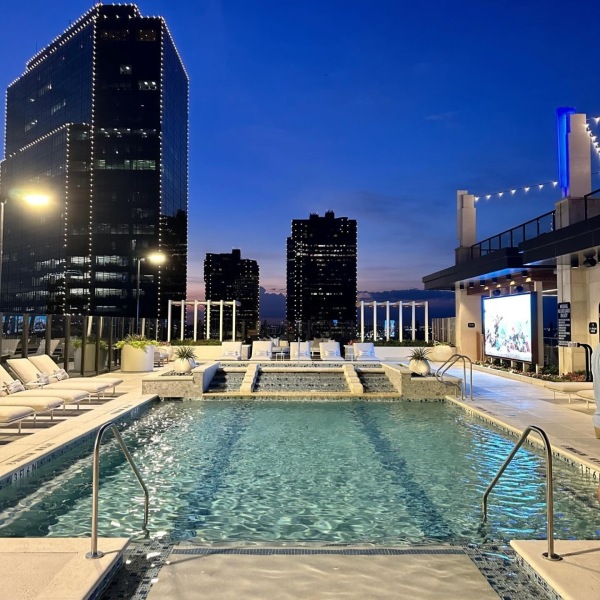
For Deco 969 residents, that rhythm is already ingrained in everyday life. Twenty-seven stories above Sundance Square, with a resort-style rooftop pool, a sky lounge, and concierge service on the ground floor, the building was designed to make downtown living feel effortless rather than aspirational. Whether you end up here or somewhere else nearby, Downtown Fort Worth is worth exploring for yourself.